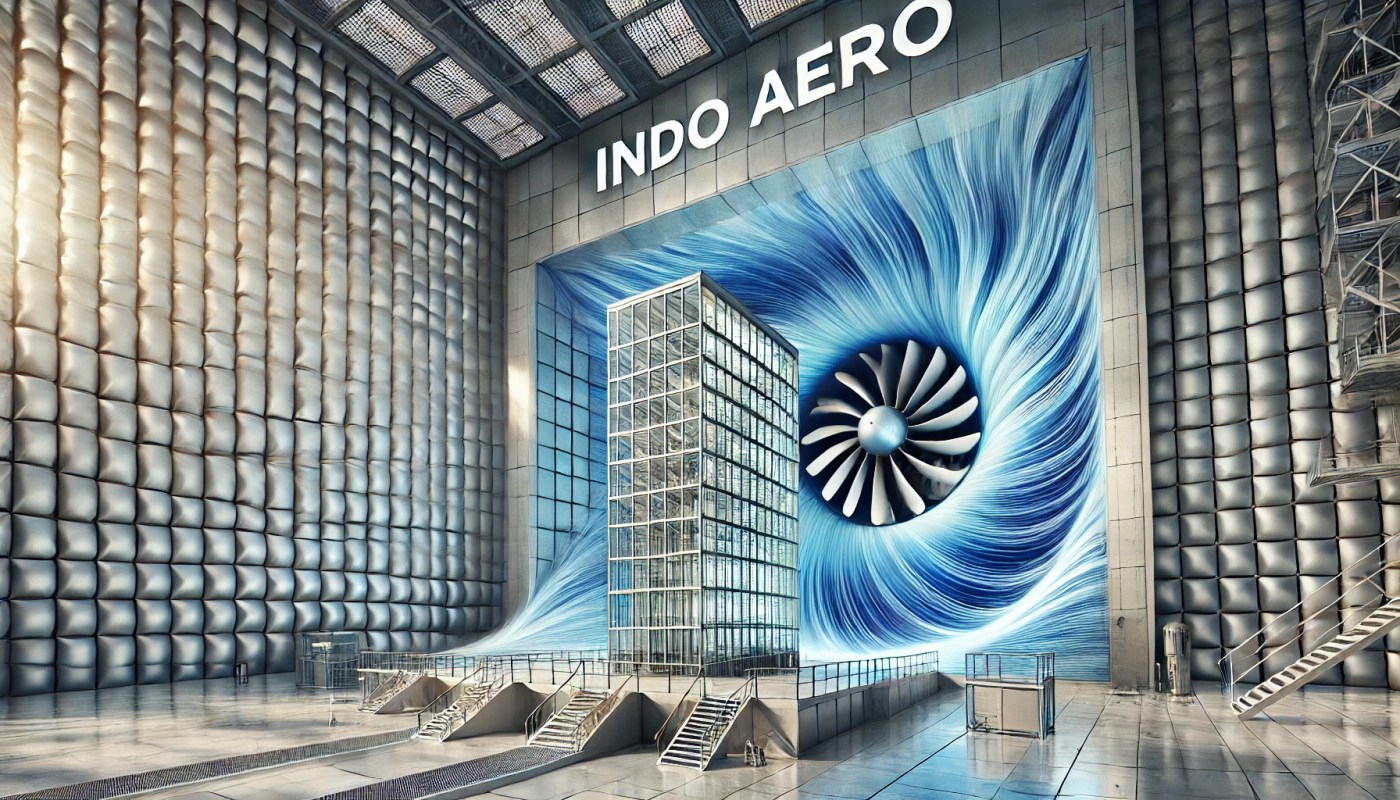
High-rise buildings are vulnerable to wind-induced forces that can lead to catastrophic collapses if not properly addressed during design, construction, and maintenance. This article explores the critical role of wind engineering in preventing such failures, focusing on key factors such as wind load assessment, aeroelastic resonance, material fatigue, foundation stability, and dynamic amplification. Case studies, including the Tacoma Narrows Bridge collapse, Ronan Point disaster, and the World Trade Center collapse, illustrate the devastating consequences of neglecting wind-resistant design and highlight lessons learned from these events. The article emphasizes the importance of preventive measures such as aerodynamic design, structural dampers, high-quality materials, and regular maintenance to ensure the safety and resilience of tall structures. Wind engineers play a pivotal role in assessing wind loads, guiding aerodynamic modifications, and developing building codes to mitigate risks associated with extreme weather events. By integrating advanced wind engineering techniques, urban developers can create high-rise buildings that are not only safe but also sustainable, paving the way for resilient urban infrastructure. This comprehensive overview provides insights into wind-related challenges and solutions, making it a valuable resource for architects, engineers, and urban planners aiming to enhance structural safety and sustainability.
Keywords: wind engineering, high-rise building safety, structural resilience, wind load analysis, aeroelastic resonance, building collapse prevention, aerodynamic design, extreme wind events, urban infrastructure sustainability.
High-rise buildings are susceptible to wind-induced collapse if their structural design and materials do not adequately account for the forces generated by wind. Engineers must analyze lateral forces, pressure variations, and dynamic effects caused by wind. If these forces are underestimated during the design phase, the building may lack sufficient strength to resist them. For example, resonance between the building’s natural frequency and the wind’s frequency can lead to oscillations that amplify stress on the structure. Additionally, aerodynamic instabilities, such as vortex shedding or flutter, can generate dynamic loads beyond the building’s capacity, causing structural failure.
Foundation failure is another critical reason for high-rise collapses during wind events. A building’s foundation must be designed to resist both overturning moments and lateral forces induced by wind. Weak or improperly constructed foundations can lead to tipping or collapse when subjected to strong winds. Moreover, high-quality materials are essential, as wind-induced forces can cause fatigue over time. Repeated exposure to fluctuating wind loads can weaken joints, bolts, and welds, while corrosion and material degradation—especially in coastal or humid environments—further compromise structural integrity.
Construction defects and material quality are also significant factors. Improperly connected structural components or substandard materials reduce the overall strength of the building. These weaknesses become evident during extreme wind events, such as hurricanes or tornadoes, which exert forces far beyond standard conditions. In such cases, cascading failures can occur, where one part of the structure fails and leads to a progressive collapse. A lack of redundancy in the design, where failure in one structural element cannot be mitigated by others, increases the likelihood of catastrophic collapse under wind forces.
Dynamic amplification is a particular challenge for high-rise buildings, which are inherently more flexible than shorter structures. Wind-induced sway can destabilize the building by exacerbating stress on non-structural components or causing fatigue in critical structural elements. In extreme cases, this sway can lead to structural instability, especially if it is not properly controlled through damping mechanisms. Downbursts and microbursts, with their sudden and concentrated wind forces, pose additional risks, as they can exert forces beyond the structure’s capacity to respond dynamically.
Preventive measures are crucial to ensuring the safety of high-rise buildings under wind loads. Accurate wind load analysis using simulations and wind tunnel testing is essential during the design phase. Aerodynamic design strategies, such as tapering the building or incorporating rounded edges, can reduce wind resistance and vortex shedding. High-strength, durable materials must be selected to withstand static and dynamic wind forces over time. Structural dampers, like tuned mass dampers or active damping systems, help counteract oscillations caused by wind, reducing stress on the structure. Regular maintenance is also vital to inspect for material fatigue, corrosion, or other weaknesses, ensuring the long-term safety and stability of the building. Together, these measures form a comprehensive approach to mitigating wind-related risks in high-rise structures.
Here are real-world case studies where wind played a significant role in the collapse or failure of high-rise buildings, emphasizing the importance of wind-resistant design and preventive measures:
1. Tacoma Narrows Bridge Collapse (1940, USA)
While not a high-rise building, the Tacoma Narrows Bridge collapse is a landmark example of wind-induced structural failure. The bridge experienced aeroelastic flutter due to strong winds, causing oscillations that grew uncontrollably until the structure failed. Although this is a bridge, its lessons are directly applicable to high-rise buildings, particularly in understanding resonance and the dynamic interaction between wind and flexible structures. Engineers worldwide learned the importance of aerodynamic design and incorporating damping systems to manage dynamic wind forces.
2. Ronan Point Collapse (1968, UK)
Ronan Point was a high-rise residential building in East London that partially collapsed due to a gas explosion. However, subsequent analysis revealed that the structure was highly susceptible to lateral wind forces. The design lacked sufficient redundancy, meaning that when one section failed, it led to a progressive collapse. While wind wasn’t the direct cause, the event highlighted the importance of accounting for lateral forces like wind and designing robust connections to prevent progressive failures in high-rise buildings.
3. World Trade Center Collapse (2001, USA)
Although the primary cause of the World Trade Center’s collapse was the terrorist attacks, wind loads played a significant role in its design considerations and structural response. The buildings were designed to withstand lateral forces from hurricane-force winds and featured innovative tube-frame construction to resist such stresses. Post-collapse studies emphasized the need for additional redundancy in tall buildings to withstand extreme and unexpected forces, including wind, alongside fire and impact loads.
Lessons Learned:
- Aerodynamic Design: As seen in the Tacoma Narrows Bridge, ensuring buildings have aerodynamic shapes reduces dynamic wind effects.
- Redundancy: The Ronan Point collapse underscored the necessity of redundancy in structural connections to prevent cascading failures.
- Comprehensive Risk Analysis: The World Trade Center highlighted the need to account for combined forces, including wind, in extreme scenarios.
These examples emphasize how a multidisciplinary approach to structural engineering, incorporating wind load analysis, material science, and robust design principles, is critical to preventing failures in high-rise structures.
Wind engineers play a critical role in preventing catastrophic events involving high-rise buildings by ensuring structures are designed, tested, and maintained to withstand wind forces effectively. Their expertise is essential in understanding and mitigating the complex interactions between wind and built environments, which can pose significant risks if not properly addressed. Here’s why wind engineers are vital :
1. Precise Wind Load Assessment
Wind engineers analyze the effects of wind on structures through simulations, wind tunnel testing, and computational fluid dynamics (CFD). These assessments help determine the static and dynamic forces exerted by wind on a building’s surfaces. By identifying areas of high stress or turbulence, wind engineers provide critical data that informs structural design and ensures safety under both typical and extreme wind conditions. This prevents underestimating wind loads, which can lead to structural failure.
2. Aeroelastic and Dynamic Response Analysis
Tall buildings are inherently flexible, and their response to wind involves complex interactions such as vibration, oscillation, and resonance. Wind engineers study these phenomena to design buildings that remain stable and comfortable for occupants. They identify potential resonance issues, such as those that caused the Tacoma Narrows Bridge collapse, and recommend solutions like tuned mass dampers or aerodynamic modifications to minimize vibrations.
3. Development of Aerodynamic Designs
Wind engineers collaborate with architects and structural engineers to create aerodynamic building shapes that reduce wind resistance and vortex shedding. Features such as rounded corners, setbacks, and tapered tops are often results of wind engineering recommendations. These designs help distribute wind forces more evenly and reduce the likelihood of dynamic instability, ensuring both safety and cost efficiency in materials and construction.
4. Guiding Construction Standards and Codes
Wind engineers contribute to the development of building codes and standards that define wind-resistant design criteria for various regions. They account for local wind climates, extreme weather patterns, and terrain effects. By ensuring compliance with these codes, wind engineers help reduce the risk of wind-induced damage or collapse, especially in hurricane-prone or high-wind areas.
5. Ensuring Structural Resilience in Extreme Events
Wind engineers play a pivotal role in designing buildings that can withstand extreme wind events, such as hurricanes, tornadoes, or downbursts. They evaluate the structural resilience of buildings, considering factors like lateral stiffness, material durability, and redundancy. Their input helps prevent failures during rare but high-impact wind events, safeguarding lives and property.
The safety and stability of high-rise buildings under wind forces depend on meticulous planning, design, and analysis, all of which are enabled by the expertise of wind engineers. By assessing wind loads, addressing dynamic responses like resonance and oscillation, and implementing preventive measures such as aerodynamic designs and structural dampers, wind engineering ensures that modern structures are resilient against even the most extreme wind events. Case studies like the Tacoma Narrows Bridge, Ronan Point, and the World Trade Center underscore the necessity of integrating advanced wind engineering practices into urban development.
INDO AERO is a trusted leader in wind engineering, offering unparalleled expertise and state-of-the-art solutions for developers seeking to optimize building safety and performance. With years of experience and a track record of success, INDO AERO provides comprehensive wind load analysis, aerodynamic design recommendations, and compliance support for building codes and standards. Partnering with INDO AERO ensures that your high-rise projects are not only structurally secure but also designed for long-term sustainability and resilience. Let INDO AERO be your partner in building safer, smarter, and stronger urban landscapes.


 INDOAERO
Leave a comment